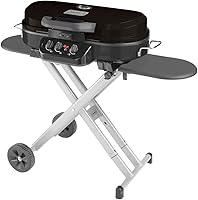
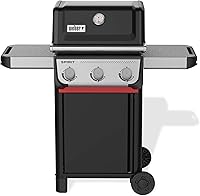
Is an Infrared Burner on a Gas Grill Worth It?
An infrared burner gas grill is worth considering if you sear food often and want a focused high-heat area. If you mostly cook at moderate heat, a standard burner setup may be enough.
On this page (7 sections)
- What does an infrared burner do on a gas grill?
- When is an infrared burner worth having?
- How should you choose an infrared burner gas grill?
- Which grills offer useful high-heat options?
- How do you set up and use an infrared burner safely?
- What care tips and mistakes should you know?
- Is an infrared burner on a gas grill worth it for you?
An infrared burner on a gas grill is worth considering if you regularly want focused high heat for searing. If you mostly grill burgers, vegetables, or chicken at moderate temperatures, a standard burner setup may do the job.
Infrared is a cooking system, but it does not mean every grill will sear the same way. Compare the cooking system, burner layout, controls, and space with the meals you make most.
What does an infrared burner do on a gas grill?
An infrared cooking system can provide focused high heat for searing, as on the Char-Broil Pro Series 4-Burner. The Monument and Weber picks have broil or sear zones, but their product information does not identify those zones as infrared.
That difference matters if infrared is your priority. Check the named cooking system and burner layout, then decide whether you need a dedicated high-heat area or simply a grill that can reach a useful searing temperature.
Is an infrared burner gas grill setup the same as a side burner?
No. A side burner sits outside the main grate area, while a sear or broil zone is part of the grilling setup for high-heat cooking.
Read the grill's instructions and layout before planning where a pan or food will go. The label alone does not tell you how much usable cooking space remains for the rest of the meal.
When is an infrared burner worth having?
An infrared burner is most useful if you sear often and want a concentrated high-heat area. It is less useful if you mostly cook foods that need moderate, steady heat.
Think through your usual menu before choosing:
- Steaks and chops: A hot area can help brown the outside quickly.
- Fish and vegetables: Leave room to move food if it browns faster than expected.
- Burgers and brats: A standard burner setup may handle these regular meals just fine.
- Longer cooks: Look for a layout that gives you a lower-heat area as well.
You also need enough room to manage food safely. Compare cast-iron and stainless steel grill grates if grate material is part of your decision.
How should you choose an infrared burner gas grill?
Choose based on your cooking habits, usable space, and preferred setup, rather than the infrared label alone. A grill that fits your menu and available space will be easier to use week after week.
Start by checking whether the high-heat area is actually infrared. Some grills offer a sear or broil zone without identifying it as an infrared system, so those terms are not interchangeable.
Next, consider how you divide a meal across the grill. A larger primary cooking surface may help when you cook several foods together, while a smaller grill may be easier to fit into a compact outdoor area.
For general fuel and grill choices, see our guide to choosing a propane grill.
Finally, check the full setup. Side shelves, a warming rack, extra cooking modes, cleanup access, and the grill’s required clearances can matter more than a feature you use only once in a while.
Measure your space before buying and follow the safety guidance for your grill location.
Does an infrared burner use less gas?
Fuel use depends on the grill, burner settings, and cooking time. Compare the fuel details for the specific grill and follow its operating instructions.
Which grills offer useful high-heat options?
The Weber Spirit E-325 ranks first with a 9.1 score, followed by the Monument Grills 4-Burner at 8 and the Char-Broil Pro Series 4-Burner at 7.9. The Weber and Monument offer sear or broil zones, while the Char-Broil has an infrared cooking system.
Weber Spirit E-325
The Weber Spirit E-325 suits cooks who want a three-burner grill with a sear zone. Weber says its Boost Burners add 40% more power in that zone, and the grill has a 360 square inch cooking surface.
Its porcelain-enameled cast-iron grates retain heat, and individual burner ignition gives you control over each burner. Choose it if you want a sear zone and everyday grilling in a three-burner layout; skip it if an explicitly infrared system is essential to your choice.
Before setting it up, make sure its free-standing footprint works in your outdoor space. See how far a gas grill should be from the house for placement guidance.
Monument Grills 4-Burner
The Monument Grills 4-Burner suits cooks who want a broil zone and room to manage multiple foods. It has 525 square inches of total grilling area, including a warming rack, and adjustable burners for different heat levels.
Monument describes its broil zone as a direct-cooking area for searing and browning, and says the grill can reach 500°F in 5 minutes on full blast. Its burners are stainless steel, and the grill includes foldable side shelves.
Choose it if you want a four-burner layout with a dedicated broil area. Skip it if you specifically require an infrared cooking system, since this grill is described with a broil zone instead.
Char-Broil Pro Series 4-Burner
The Char-Broil Pro Series suits cooks who want infrared plus several cooking modes. It includes a griddle insert and charcoal trays, so you can switch between gas grilling, griddle cooking, and charcoal cooking.
The grill has 535 square inches of primary cooking space and a 200 square inch warming rack. Char-Broil says its Amplifire system helps reduce flare-ups, and the grill has porcelain-coated cast-iron grates and stainless steel burners.
Choose it if you will use the griddle or charcoal options along with infrared cooking. Skip it if you want a simpler gas-only grill or do not need multiple cooking surfaces.
How do you set up and use an infrared burner safely?
Set up the grill on a stable outdoor surface with the clearances required by its manual. Keep the fuel connection and cooking area accessible, and do not use a grill indoors.
Before the first cook, read the model’s assembly and lighting instructions. Check that the cooking surface and grease management parts are in place, and learn how each burner control works before heating the grill.
Start with a small amount of food on the high-heat area so you can judge how quickly it browns. Keep lower-heat space available to move food if needed, and stay near the grill while using concentrated heat.
What care tips and mistakes should you know?
Clean the grill according to its manual, and let it cool before handling removable parts. Grease and food residue can build up during normal use, so check the grate and grease collection area as part of routine care.
Avoid these common mistakes:
- Assuming every sear zone is infrared: Confirm the cooking system before you buy.
- Putting all the food over high heat: Keep a cooler area available for food that needs more time.
- Walking away during searing: High heat can brown food quickly, so stay close.
- Ignoring the rest of the setup: Measure the grill and check its required clearances before assembly.
- Choosing by burner count alone: Consider usable cooking space, controls, cleanup, and the foods you cook.
Is an infrared burner on a gas grill worth it for you?
An infrared burner gas grill is worth buying if you sear often and want that specific cooking system. If you want a sear zone but do not require infrared, the Weber or Monument may fit; choose the Char-Broil if you also want griddle and charcoal modes.
Pick the Weber for its three-burner layout and Boost Burner sear zone, the Monument for a four-burner grill with a broil zone, or the Char-Broil for infrared and multiple cooking modes. If fuel choice is still open, compare propane and natural gas grills before deciding.
Frequently asked questions
What does an infrared burner do on a gas grill?
An infrared cooking system creates a focused high-heat area that can help sear food. Grill designs differ, so compare the cooking area and controls with the foods you make.
A high-heat zone is most useful when you want fast browning and can watch food closely.
Is an infrared burner better than a regular gas burner?
An infrared burner can suit quick, high-heat searing, while standard burners offer flexible heat for everyday grilling and lower temperatures. Choose based on your usual meals and the heat zones you need.
You may not need infrared if you rarely sear steaks, chops, or vegetables.
Can you cook everything on an infrared burner?
No. A high-heat zone works well for searing, while delicate foods and longer cooks are often easier to manage over lower heat.
If your grill has multiple burners, use its layout to move food between hotter and cooler areas, following the manual.
Is a sear burner the same as an infrared burner?
Not always. Sear burner describes a high-heat cooking area for browning, while infrared describes a cooking system.
Check the grill's stated cooking system before assuming its sear zone uses infrared.
A broil zone may also offer high heat without being identified as infrared.