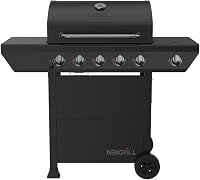
How to Use a Gas Grill for Beginners
To use a gas grill for beginners, open the lid, turn the gas on at the tank, and press and turn a burner knob to light it, then close the lid and preheat for 10 to 15 minutes. Cook over a two-zone fire, turn the gas off at the tank when you finish, and clean the grates while they're still warm.
On this page (7 sections)
To use a gas grill for beginners, open the lid, turn the gas on at the tank, and press and turn a burner knob to light it. Close the lid and preheat for 10 to 15 minutes, cook over a two-zone fire, then shut the gas off at the tank when you finish.
The first session is mostly about order. Gas is safe and simple when you light with the lid up, confirm each burner before moving on, and close the tank valve every time.
Get that sequence right and the cooking follows.
What do you need before you light a gas grill for the first time?
You need a full propane tank, a leak-check, and a clear spot outdoors before the first light. Read the manual for your model's lighting steps, then set up away from walls, doors, and anything that can catch sparks.
Place the grill on a level, hard surface with the lid free to open fully. Keep kids and pets back from the hot box.
Check that the burners, grates, and grease tray are seated where they belong.
Connect the regulator to the tank and turn the collar hand-tight only. Then do a quick leak check: turn the tank valve on with all burner knobs off, brush soapy water on the connection, and watch for bubbles.
Bubbles mean a loose fitting; tighten it and test again.
Never light a grill with the lid closed. Gas can pool inside and flash when you finally open it.
A balcony has extra rules, so read can you use a gas grill on a balcony before you set one up there.
How do you light a gas burner safely?
Light one burner at a time with the lid open, using the ignition your grill provides. On a Snap-Jet grill like the Weber Spirit E-210, you press and turn the knob and the burner catches on its own.
Push and turn the first knob to its start position and hold it a few seconds. Look for a blue flame across the burner tube, then release.
Repeat for the next burner rather than lighting all of them at once.
If a burner doesn't catch in a few seconds, turn that knob off and wait a minute before trying again. A strong gas smell with no flame means shut the tank off and check the connection.
Don't lean over the grates while you light.
Who should pick the Weber Spirit E-210 as a first grill?
Pick the Spirit E-210 if you want a small two-burner grill that's easy to learn on. Its 360 square inches of cooking space handle burgers, chicken, and vegetables for a few people without crowding.
The porcelain-enameled cast-iron grates hold heat and wipe clean, and the pull-out grease tray makes cleanup simple. Its cabinet hides the tank and tools, and the 10-year limited warranty covers the grill.
Choose it if two heat zones cover most of your meals. If you regularly cook for a crowd or want a third burner for a hotter sear zone, step up to the E-310 below.
How long should you preheat a gas grill?
Preheat with the lid closed for 10 to 15 minutes before the first food goes on. A cold grate sticks to meat and cooks unevenly, so this step earns its time.
Set all burners to high for the first five minutes to drive off moisture and old residue. Then adjust to your cooking temperature.
Most foods do well between 400 and 450°F.
Use the lid thermometer as a rough guide and a quick read at grate level when it matters. On the Weber Q 2800N+, the lid thermometer gives a temperature you can watch while the grill heats.
Scrape and oil the grates right after preheating. A wire brush removes char, and a folded paper towel dipped in oil, held with tongs, keeps food from sticking.
Who should pick the Weber Q 2800N+ as a starter grill?
The Q 2800N+ suits small spaces and beginners who want one grill for the balcony or the campsite. It's compact and freestanding, so it fits where a full cart grill won't.
It covers 250 to 700°F, so you can roast low and slow or sear hot. The Plus burner adds heat when you want a hard sear, and the front-facing grease tray pulls out for quick disposal.
Side tables detach and stow in the cradle.
Choose it for porches and small patios. A full-size cart grill still wins if you feed a family most weekends and want more grate area.
How do you set up two heat zones?
Set up one hot zone and one cooler zone by leaving a burner off or low on one side. This single habit solves most beginner problems, because you can move food away from flare-ups.
Heat the hot side to 400 to 450°F and keep the cooler side around 300 to 350°F. Sear thin items like burgers and steaks over the hot zone, then slide thick chicken or ribs to the cooler side to finish.
Keep the lid closed between turns so the heat stays even. Open it to flip, rotate, or move food, then close it again.
A 3-burner grill like the E-310 gives you more room to build three zones.
Watch for flare-ups when fat drips on a hot burner. Move the food to the cooler zone and let the flames die down before you continue.
Who should pick the Weber Spirit E-310 for zone cooking?
The E-310 is the pick for households that cook for more people and want more zone control. Its three burners let you run a hot sear zone, a medium zone, and an off zone in one cook.
It shares the Spirit build: cast-aluminum cook box, Flavorizer Bars that catch drips and boost flavor, and a pull-out grease tray. The warming rack keeps finished food hot while the rest cooks.
Pick it if you often grill for four or more or like setting up indirect heat. For two people or a smaller patio, the E-210 is the simpler, lighter choice.
What should beginners cook first?
Start with burgers, chicken pieces, and vegetables, because they're forgiving and show you how the zones work. Save whole roasts and long rib cooks for after a few sessions.
Burgers take about 4 to 5 minutes a side over medium-high heat. Chicken pieces do better started over the hot zone and finished on the cooler side until they reach a safe internal temperature.
Use an instant-read thermometer for chicken and pork rather than guessing by color. Turn food with tongs, not a fork, so juices stay in.
Keep a spray bottle of water nearby for small flare-ups.
Practice one protein at a time before mixing foods. Once you know how your grill holds heat, add skewers, fish, or pizza.
How do you shut down and clean a gas grill?
Turn every burner knob off first, then close the tank valve, and let the grill cool before cleaning. That order clears the lines and keeps gas from sitting in them.
Leave the lid open for a few minutes after shutdown so heat and any stray gas escape. Once the grill is cool enough to touch, brush the grates and empty the grease tray.
A nylon brush or a soapy cloth handles the warm grates without scratching the enamel.
Wipe the outside with a damp cloth and cover the grill once it's fully cool. For a deeper clean every few weeks, scrub the Flavorizer Bars and check the burner tubes for blockages.
Store the propane tank outside, upright, and valve closed. If your grill sits out all season, check the manual for winter storage steps.
How do you decide which beginner grill to buy?
Pick the smallest grill that covers your typical cook, then add burners only when you need more zones. A two-burner grill teaches the basics without wasting fuel or space.
Go with the E-210 if you cook for two to four people on a patio. Choose the E-310 if you often feed a bigger group and want three zones.
The Q 2800N+ fits when space is tight and portability matters.
If you're still deciding when to buy, read when is the best time to buy a gas grill before you order. Compare more options in our guides to 2-burner gas grills and 4-burner gas grills when you're ready to size up.
Whichever you choose, the beginner routine stays the same: lid open to light, closed to preheat, two zones to cook, tank valve off to finish. Practice that order a few times and it becomes automatic.
Frequently asked questions
What temperature should a gas grill be at for beginners?
Aim for a preheat of about 400 to 450°F for most foods. That range sears burgers, chicken pieces, and vegetables without burning them before the inside cooks.
Use a lower zone around 300 to 350°F for thicker cuts and anything you want to finish gently.
Should you close the lid when grilling on a gas grill?
Yes, close the lid for most cooking. Trapping heat cooks food evenly and keeps the grates hot between turns.
Leave it open only when you need to watch thin items closely or move food quickly between heat zones.
How do you turn off a gas grill safely?
Turn every burner knob to off first, then close the valve on the propane tank. Leave the lid open for a few minutes so leftover heat escapes and any gas smell clears.
Let the grill cool fully before you cover it or move it.