Cast Iron or Stainless Steel Grill Grates?
Cast iron grates retain heat well and suit strong searing; stainless steel grates are easier to maintain and resist rust. Choose based on how much upkeep you want and the cooking style you use most.
On this page (6 sections)
Cast iron grates retain heat well and suit strong searing; stainless steel grates resist rust and need less upkeep. For cast iron vs stainless steel grill grates, choose cast iron if you value heat retention and will care for the surface, or stainless steel if easy maintenance matters more.
The grate material affects how you clean and protect your grill, as well as how it holds heat. Coatings matter too: porcelain-enameled cast iron has a different care routine from bare cast iron.
What is the difference between cast iron and stainless steel grill grates?
Cast iron holds heat well, while stainless steel is easier to maintain and resists rust. Both materials can work well for grilling, so the better choice depends on your cooking habits and how much care you want to give the grates.
Cast iron can help maintain steady surface heat when food goes on the grate. That makes it appealing for searing and visible grill marks, but the metal can rust if it stays wet or unprotected.
Stainless steel generally takes less upkeep and can tolerate weather better than bare cast iron. Its heat behavior varies with the grate's design and construction, so don't assume every stainless grate performs the same.
The material name doesn't tell the whole story. Look for the coating, the grill maker's cleaning guidance, and whether the grate is designed to be replaced.
Which grates are better for searing?
Cast iron is a strong fit if you want the grate to retain heat for searing. Preheat the grill and avoid crowding the cooking surface so food can brown instead of steaming.
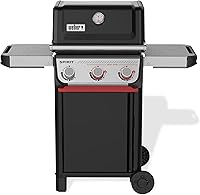
Porcelain-enameled cast iron combines a cast iron grate with a protective coating. Weber describes its Spirit E-425 grates as porcelain-enameled cast iron that retains heat evenly and is easy to clean.
The Char-Broil Pro Series also has porcelain-coated cast iron grates. Char-Broil says they retain heat for consistent searing, and its Amplifire cooking system helps reduce flare-ups.
For another feature that can affect high-heat cooking, read our guide to infrared burners on gas grills.
Is stainless steel better if you want easier care?
Stainless steel is often the simpler choice if you want less routine maintenance. It resists rust, but cleaning and drying the grates still matters.
Brush away food residue after cooking, following the grill maker's instructions. Avoid harsh chemicals or abrasive tools unless the manual says they're safe for the grate.
The Royal Gourmet GA5401T has a stainless steel lid, but its cooking grates are porcelain-enameled cast iron. Don't confuse the lid material with the grate material when comparing grills.
The Nexgrill 5-Burner also uses porcelain cast iron grates, described as supporting even heat distribution and improved non-stick performance. Its name and burner configuration don't indicate stainless steel grates.
If you're choosing a grill as well as grate material, our guide to propane grills explains other features to compare.
How do you care for cast iron grill grates?
Keep cast iron clean and dry, and follow the grill maker's instructions for its coating. Bare cast iron and porcelain-enameled cast iron need different care, so first identify which type you have.
For bare cast iron, seasoning may help protect the metal and reduce sticking. Use the oil and heating method recommended by the grill maker, and don't leave the grates wet after cleaning.
For porcelain-enameled cast iron, avoid tools or scrubbing methods that could chip the coating. If the enamel is damaged, follow the grill maker's guidance for continued use and replacement.
How should you choose between the two grate materials?
Choose cast iron for heat retention and stainless steel for simpler care. Your cooking style, storage conditions, and willingness to clean the grates regularly should guide the decision.
- Choose cast iron if you often sear food and don't mind careful cleaning and drying.
- Choose stainless steel if lower maintenance and rust resistance matter most.
- Check the coating before buying, since porcelain-enameled cast iron isn't the same as bare iron.
- Read the grill manual for cleaning tools, seasoning, and replacement guidance.
If the grill stays outdoors, consider its placement and protection as well as its grates. Our guide to safe distance between a gas grill and the house covers where to position it.
Which grate material should you pick?
For cast iron vs stainless steel grill grates, pick cast iron if heat retention and searing matter most, or stainless steel if easy care is your priority. Check whether cast iron is bare or porcelain-enameled, then follow the grill maker's care instructions.
If you're still choosing a grill, compare options in our best propane grills guide. The grate material is one part of the decision, alongside size, burner layout, and the features you plan to use.
Frequently asked questions
Are cast iron or stainless steel grill grates better?
Cast iron suits cooks who want strong heat retention and don't mind regular care. Stainless steel is a practical choice if you want a grate that resists rust and needs less attention.
For either material, check the grill maker's care instructions and keep the grates clean and dry.
Do cast iron grill grates need to be seasoned?
Many bare cast iron grates need seasoning to help protect them and reduce sticking. Porcelain-enameled cast iron has a coating, so follow the grill maker's instructions instead of treating it like bare iron.
Avoid scraping or brushing in ways that could chip the enamel.
Do stainless steel grill grates rust?
Stainless steel resists rust, but it isn't immune to corrosion, especially when exposed to moisture, salt, or harsh cleaners. Brush off food after cooking, let the grates dry, and follow the grill maker's cleaning guidance.
Replace grates if corrosion or damage affects safe cooking.
Can you use a grill brush on porcelain-enameled cast iron?
Use only cleaning tools the grill maker approves for the grate's coating. A damaged or overly stiff brush can chip porcelain enamel and expose the cast iron underneath.
Let the grate cool to the recommended temperature, remove residue gently, and check the coating during routine cleaning.