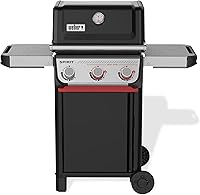
Gas Grill vs Pellet Grill: Which Should You Buy? (November 2026)
Choose a gas grill for quick, direct cooking and a pellet grill for wood-fired flavor with digital temperature control. Your fuel choice shapes the routine as much as the food: gas uses propane, while pellet grills use hardwood pellets.
On this page (10 sections)
- Gas grill vs pellet grill: which should you buy?
- Which grill gives you more direct heat control?
- Which grill adds more smoke flavor?
- How much cooking space do you need?
- What does each grill need before cooking?
- Which grill is easier to clean and maintain?
- Which grill fits your cooking style?
- Is gas or pellet fuel more practical for your home?
- Gas grill vs pellet grill: the final choice
- Sources
Choose a gas grill for fast direct cooking and a pellet grill for wood-fired flavor and digital temperature control. In a gas grill vs pellet grill comparison, the right choice depends on how much you value quick heat, smoking, fuel handling and cooking space.
The Char-Broil Performance 4-Burner is a propane grill with 435 sq in of primary cooking space and a side burner. The Pit Boss 500 FB2 has 518 sq in of cooking space and adjusts from 180°F to 500°F in 5°F increments.
Both can grill burgers, vegetables and other everyday foods. Pellet grills add a smoking style of cooking, while gas keeps the routine direct.

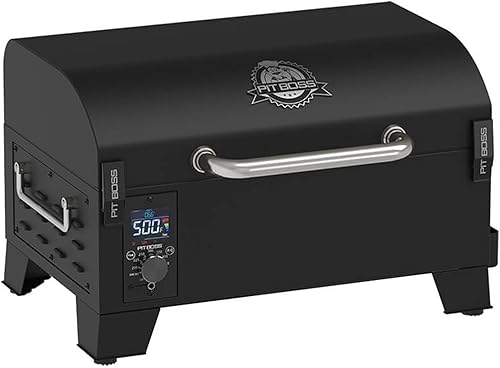
Gas grill vs pellet grill: which should you buy?
Buy gas if fast startup and direct heat matter most; buy pellets if smoking and wood-fired flavor are priorities. A grill's fuel type affects setup, temperature control and what you need to keep on hand.
A gas grill connects to a propane tank or, on compatible models, a natural gas line. A pellet grill burns hardwood pellets and relies on electrical power to run its controls and feed system.
This comparison looks at the Char-Broil Performance 4-Burner and 2 Pit Boss pellet grills. The models show the practical tradeoffs, but features differ across brands and sizes.
Which grill gives you more direct heat control?
Gas gives you separate burner controls, while a pellet grill uses a digital temperature setting and may have a direct-flame option. The style of control matters when you shift between searing and gentler cooking.
The Char-Broil has 4 burners, so you can adjust heat across different parts of the cooking area. Its heat is described as steady and balanced across the grates, and it includes a side burner for sauces and sides.
The Pit Boss 500 FB2 sets temperatures from 180°F to 500°F in 5°F increments. Its Flame Broiler lever opens a direct-flame option for searing up to 1,000°F.
The Pit Boss 150 also offers direct heat through a Flame Broiler feature. Its 256 sq in cooking surface is smaller than the other grills here.
How do gas and pellet grills handle low heat?
A pellet grill can be set to a temperature in a range that includes lower settings. The 500 FB2 starts at 180°F, which suits low-and-slow cooking.
A gas grill can cook with lower heat by adjusting its burners, but the heat still comes from gas flames. Use its burner arrangement and manual to set up indirect heat.
Think about the food you cook most. Steaks and quick vegetables often favor direct heat, while brisket or other long cooks can make pellet control appealing.
Which grill adds more smoke flavor?
A pellet grill is the clear choice if you want hardwood pellets to contribute wood-fired flavor. Gas grills can cook food over flame, but they don't burn wood pellets as fuel.
The Pit Boss 500 FB2 and 150 both use wood pellets. The 500 FB2's 180°F minimum temperature supports low-and-slow cooking, while its 518 sq in surface is larger than the tabletop 150's.
Smoke flavor doesn't guarantee a better result. Pellet type, cooking time, food and your own taste all affect how noticeable it is.
The Char-Broil is designed for flame-grilled flavor. If you mainly want a quick sear or grilled vegetables, that may be enough without adding pellets to your shopping list.
How much cooking space do you need?
Compare the cooking area with the amount of food you usually cook at once. The Pit Boss 500 FB2 has 518 sq in, the Char-Broil has 435 sq in of primary space, and the tabletop Pit Boss has 256 sq in.
The 500 FB2 has the largest stated cooking surface here, with a 2-tier cooking surface. The Char-Broil has 435 sq in of primary space and a 130 sq in warming rack for indirect cooking or keeping food warm.
The Pit Boss 150 is compact by comparison. Its tabletop size and 256 sq in area can suit a smaller group or a portable cooking setup.
Use the propane grill guide to compare burner counts and sizes if gas is your likely choice. If you're choosing between 2 burner layouts, see the 2-burner vs 3-burner gas grill comparison.
What does each grill need before cooking?
Gas needs a compatible fuel connection, while a pellet grill needs hardwood pellets and electrical power. Check your outdoor setup before deciding which routine fits.
The Char-Broil is a propane gas grill. Keep a compatible propane tank available, and learn how long a tank may last with the guide to propane tank life on a grill.
The Pit Boss grills use pellets. The 500 FB2 has a 5 lb hopper, while the 150 has a 7 lb hopper; hopper capacity alone doesn't tell you exactly how long a cook will last.
Pellet grills need power for their digital controls and pellet systems. Confirm that your cooking location has a suitable power source and follow the grill manual for outdoor use.
For either type, leave the clearance the grill manual specifies from buildings and combustible materials. Our guide explains how far a gas grill should be from the house.
Which grill is easier to clean and maintain?
Neither fuel type removes routine cleanup; the cooking system determines what you'll need to manage. Consider grease, grates and fuel handling before buying.
The Char-Broil has porcelain-coated cast-iron grates. The cast iron vs stainless steel grates guide explains how grate material affects heat retention and care.
The 500 FB2 has a grease management system and a solid bottom shelf for tools and accessories. Pellet grills also need their cooking chamber and pellet path cared for as described in the manual.
The Pit Boss 150 has porcelain-coated steel grates. Its automatic start-up and cool-down cycles are part of its operating routine, so allow time for cool-down.
Clean the grill only after it has cooled as directed. Keep grease from building up, and use the cleaning tools and methods recommended by the manufacturer.
Which grill fits your cooking style?
Choose the Char-Broil for everyday gas grilling, the 500 FB2 for backyard smoking, or the 150 for portable pellet cooking. These picks match the features each grill offers.
The Pit Boss 500 FB2 is the most flexible pellet option here for backyard cooks who want both lower-temperature smoking and direct flame searing. It weighs 136.6 lb, so plan to keep it in a stable cooking location.
The Pit Boss 150 is the portable pick for tailgating, camping or travel. Its 256 sq in surface is smaller, so it is less suited to cooking for a large gathering.
The Char-Broil Performance 4-Burner gives you separate burner controls and a side burner. It also supports optional griddle or charcoal accessories sold separately, so you can change its cooking setup later.
Is gas or pellet fuel more practical for your home?
Gas is simpler if you have a suitable place for a propane tank; pellets fit if you can store fuel and power the grill outdoors. Your home setup can rule out a grill before cooking style does.
A propane grill needs space for its tank and the clearance specified in its manual. If you live in a condo or rent, check the property's rules and local fire requirements before using any outdoor grill.
A pellet grill needs a suitable electrical connection and a dry place to store pellets. Make sure you can keep fuel available and maintain the grill according to its manual.
Compare gas fuel options with the guide to propane vs natural gas grills. A natural gas line may suit a fixed patio setup, while propane works when you prefer a tank-based grill.
Gas grill vs pellet grill: the final choice
Pick gas for quick direct cooking and a simpler fuel routine; pick pellets for smoking and wood-fired flavor. Choose the 500 FB2 for smoking and searing, the Pit Boss 150 for portable pellet cooking, or the Char-Broil for a full-size propane setup.
If gas fits your routine, compare more options in our best propane grills guide. If you want to expand what a gas grill can cook, see the gas grill and griddle combo guide.
Our score weighs specs, features and buyer feedback against what you're shopping for.
Sources
Frequently asked questions
Is a gas grill or pellet grill easier to use?
A gas grill is usually the simpler fit for quick meals because you turn on the gas and control the burners directly. A pellet grill uses a digital temperature setting, but it also needs pellets and electrical power, so you have more setup steps before cooking.
Does a pellet grill make food taste smoky?
Pellet grills burn hardwood pellets and can add wood-fired flavor, especially during longer cooks. The flavor depends on the pellets, food and cooking method, so it won't be identical to every charcoal or wood smoker.
Can a pellet grill sear steak?
Some pellet grills offer a direct-flame searing option. The Pit Boss 500 FB2 and 150 include Flame Broiler features with direct heat up to 1,000°F, while gas grills use burner heat for direct grilling.
Which grill is better for weeknight meals?
A gas grill is often the more convenient choice for weeknight meals that need direct heat and little setup. A pellet grill can suit weeknights too, but its pellet supply, electrical connection and cooking plan make it a better match when you also want wood-fired flavor.
Do pellet grills need electricity?
Yes, pellet grills use electrical power to run their controls and pellet feed system. Plan for an outdoor outlet or another power source approved by the grill maker, and follow the manual's setup and safety instructions.