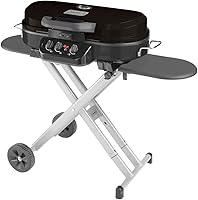
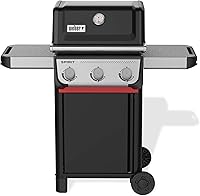
Can You Use a Gas Grill on a Balcony?
Sometimes, but only if local fire rules, your lease or condo policy, and the grill maker allow it. Check all three before bringing a gas grill onto a balcony.
On this page (7 sections)
- Can you use a gas grill on a balcony in an apartment or condo?
- What should you check before grilling on a balcony?
- Does a tabletop gas grill make a balcony safer?
- What if the building allows grilling but the balcony feels cramped?
- How should you handle the propane tank?
- What can you use if gas grilling isn't allowed?
- How do you decide whether to grill on your balcony?
Can you use a gas grill on a balcony? Sometimes, but only if local fire rules, your lease or condo policy, and the grill maker allow it.
Check all three before bringing a gas grill onto a balcony.
A tabletop grill's small size doesn't override a ban on open flames or propane cylinders. If any rule says no, use an approved shared grilling area or another cooking option your building permits.
Can you use a gas grill on a balcony in an apartment or condo?
You can use one only when the applicable rules and instructions permit it. Ask your landlord, property manager, or condo association for the current written policy, and check local fire rules for your building.
Rules can differ by city, building type, and ownership. A lease or condo rule may be stricter than a local rule, so permission from one source does not settle the question.
Ask specifically about gas grills, open flames, propane cylinders, and where tanks may be stored. Don't rely on a neighbor's setup as proof that yours is allowed.
If you rent, get approval before buying a grill. If you own a condo, check the association rules and any building safety notices.
What should you check before grilling on a balcony?
Confirm permission, required clearances, and safe tank placement before you set up. Follow the grill manual and local fire authority guidance, including any restrictions on balconies or raised areas.
Check the required distance from walls, railings, ceilings, doors, windows, and anything that can burn. Our guide to how far a gas grill should be from the house explains why clearance matters, but your grill's manual and local rules take priority.
Keep the grill outdoors in an open area. Never grill in an enclosed or partly enclosed space, and don't move a gas grill indoors to cook during bad weather.
A railing or privacy screen can limit airflow and create a nearby surface that heats up. Don't place a grill where smoke, heat, or flame can reach siding, awnings, furniture, plants, or an overhead structure.
Does a tabletop gas grill make a balcony safer?
No. A compact grill is easier to store, but it still has a gas burner and open flame.
It may be suitable only if your building and local rules allow gas grilling in that specific location.
The Nexgrill Tabletop 1-Burner has one burner, 183 sq in of cooking space, and a locking lid. Its compact form may appeal if you have limited storage, but it doesn't change balcony restrictions.
Don't set a tabletop grill on a plastic table, a narrow ledge, or any surface the manual doesn't approve. It needs a stable, level setup with the required clearances.
If your building allows grilling only in a designated outdoor area, use that location. Our guide to small propane grills for patios covers compact options for permitted outdoor cooking.
What if the building allows grilling but the balcony feels cramped?
Choose a different approved cooking spot if you can't meet every clearance or set the grill on a stable surface. A balcony that leaves the grill close to walls, furniture, or an overhead surface may not suit gas grilling.
The Char-Broil Grill2Go X200 has a 200 sq in cooking area, a cast-aluminum firebox and lid, and stainless steel latches. Its portability may suit trips to an allowed outdoor grilling area.
Carry and use the grill only after it has cooled as directed by the manual. Keep the propane cylinder secured and handle it according to its instructions.
If you need more cooking space, the Megamaster Tabletop 2-Burner has 199 sq in of cooking space and foldable legs. Use it only where the building and local rules allow propane grilling.
A larger grill may be harder to place with safe clearance on a small balcony. Measure the space, then compare the manual's requirements before choosing a model.
How should you handle the propane tank?
Follow local rules and the tank and grill instructions for connecting, using, and storing propane. Building policies may address tank storage separately from permission to grill.
Keep the cylinder upright and away from heat, flame, and anything that could damage it. Never store a propane cylinder indoors or in an enclosed area unless the relevant safety instructions specifically allow that location.
Check the hose and connections before use, using the leak-check method in the manual. If you smell gas, don't light the grill or operate switches; move away and follow the supplier's emergency instructions.
Close the cylinder valve after cooking as directed. Let the grill cool before moving or storing it, and don't leave it burning unattended.
For help planning fuel, see how long a propane tank lasts on a grill. Actual use varies with the grill, heat setting, and cooking time.
What can you use if gas grilling isn't allowed?
Use only an appliance that your building and local rules specifically permit. Ask whether an electric grill is allowed, or use a shared grilling area if one is available.
An electric appliance can still create heat and may be restricted by your building, so check its rules before buying or plugging one in. Keep cords and appliances away from water and follow the manufacturer's instructions.
Don't use a charcoal grill, camp stove, or portable burner as a workaround for a gas-grill ban. Those appliances can also create fire and carbon monoxide hazards.
How do you decide whether to grill on your balcony?
For a gas grill on a balcony, proceed only when the rules, manual, clearance, and setup all line up. If you can't confirm any one of those, choose another location.
Pick a compact grill if gas grilling is allowed and you can meet the required clearances. Choose a portable model if you have an approved outdoor area elsewhere, or use a permitted electric option when your building allows it.
For broader fuel choices, compare propane and natural gas grills. Your building's written policy and local fire rules should guide the final choice.
Frequently asked questions
Can you use a propane grill on an apartment balcony?
Only if local fire rules, your lease or condo rules, and the grill maker's instructions allow it. Ask building management for the written policy, then check your local fire authority's rules for the building type.
A small tabletop grill still uses an open flame and may be prohibited.
Are small gas grills allowed on balconies?
Size alone doesn't make a gas grill acceptable for a balcony. A compact grill still uses propane and produces heat and flame, so check the same fire rules, building policy, and maker instructions that apply to larger grills.
Never assume a tabletop model is exempt.
Can you keep a propane tank on a balcony?
That depends on local fire codes and your building's rules, which may restrict propane cylinders even when grilling is allowed elsewhere. Check the exact rules for both storing and connecting a tank.
Keep cylinders upright and follow the grill and tank instructions.
What can you use instead of a gas grill on a balcony?
If gas grills are prohibited, ask whether your building allows an electric grill or another cooking appliance. Don't assume electric is allowed, since building policies can restrict appliances too.
A shared outdoor grilling area may be the simplest option when private balcony cooking isn't permitted.