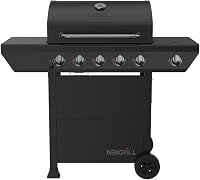
Does a Gas Grill Need Charcoal?
No, a gas grill does not need charcoal. It uses propane or another gas fuel to heat the burners, while charcoal is only an optional flavor choice that most gas grills are not designed to hold.
On this page (8 sections)
- How does a gas grill cook food without charcoal?
- Can you put charcoal in a gas grill?
- How can you add smoky flavor to gas-grilled food?
- Is gas grilling easier than charcoal grilling?
- Which gas grill works best for portable cooking?
- How should you choose between gas and charcoal?
- What should you clean on a gas grill?
- When is a gas grill the right fuel choice?
No, a gas grill does not need charcoal. A propane gas grill heats food with gas burners, so adding charcoal is unnecessary and can damage parts designed for gas cooking.
Charcoal can add a different smoky flavor, but it isn't required. Use the grill's intended gas supply, control heat with the burner knobs, and use a separate method for smoke if you want a deeper wood-fired taste.
How does a gas grill cook food without charcoal?
A gas grill cooks with burners that release fuel and create controlled heat below the cooking grates. The grates absorb that heat and transfer it to food, while the lid helps hold a steady cooking environment.
Propane models are built around this fuel path. The tank supplies gas, the ignition starts the burners, and the control knobs let you raise or lower the heat.
This gives you a repeatable way to preheat, sear, roast, and finish food without waiting for charcoal to burn down to coals.
The cooking surface also matters. Porcelain-enameled cast-iron grates retain heat and are easy to clean, while a lid thermometer gives you a quick view of the grill's internal temperature.
Gas burners can create flavorful browning. Drippings that reach hot surfaces produce aroma, and some grills use metal bars above the burners to catch and vaporize juices before they reach the grease system.
That is why why gas grills are better than charcoal depends on your priorities. Gas suits people who value fast control and simple shutdown, while charcoal suits cooks who want the fuel itself to add smoke and enjoy managing a longer fire.
Can you put charcoal in a gas grill?
Do not put charcoal in a standard gas grill. A gas grill's burners, heat shields, grease path, and ventilation are arranged for gas combustion, not for a bed of burning charcoal.
Charcoal creates ash and a different heat pattern. Ash can collect around burners or openings, and direct contact with hot charcoal can damage surfaces meant to sit above gas flames.
Extra heat can also affect grates, drip parts, paint, seals, or other components.
A gas grill needs airflow for its burners and safe operation. Covering or obstructing the burner area with charcoal changes how heat and combustion gases move through the cook box.
The safer rule is simple: use only the fuel and setup the grill is designed for. If you want charcoal flavor, use a separate charcoal grill or a food-safe smoking accessory made for gas grilling.
Never pour lighter fluid, loose charcoal, or ash into a gas grill. Keep the burners, ignition parts, and grease channels clear so the grill can operate as intended.
How can you add smoky flavor to gas-grilled food?
Add smoke with a gas-safe wood product, not loose charcoal. Wood chips or another smoking accessory can provide smoke while the burners remain the primary heat source.
Use products intended for gas grills and follow their directions for placement. The goal is to expose wood to controlled heat so it smolders, while avoiding direct contact with burners, ignition parts, or grease.
A gas grill can also build strong flavor through browning. Preheat the grates, dry the food surface, and use the burner controls to create the heat level your recipe needs.
The Weber Q 2800N+ is useful for cooks who want a broad range of gas-grill heat. It reaches from 250°F to 700°F, and its Plus burner can boost heat for searing or help maintain lower heat for baking and slow roasting.
Its high-dome lid gives room for larger foods such as whole chickens and roasts. The large grilling surface fits up to 12 burgers or 2 full racks of ribs, so it can handle more than a small tabletop meal.
The Q 2800N+ also has a front-facing grease tray and detachable side tables. Its built-in mounting WEBER CONNECT WIFI hub supports compatible probes sold separately, while the lid thermometer gives you a direct temperature view.
Is gas grilling easier than charcoal grilling?
Gas grilling is easier when you want quick heat changes and a simple shutdown. You turn the burners on, adjust the knobs, cook, and turn the fuel off when finished.
Charcoal requires more preparation. You need to light the fuel, wait for it to heat, spread the coals, manage hot and cooler zones, and allow the charcoal to cool before disposal.
A gas grill also helps when foods need different heat levels. With multiple burners, you can run one area hotter and keep another at lower heat, then move food away from direct heat while it finishes.
The Weber Spirit E-210 uses 2 burners with individual Snap-Jet ignition. Its porcelain-enameled cast-iron grates retain heat, and its stainless steel Flavorizer Bars catch and vaporize juices while funneling grease away from the burners.
The Spirit E-210 also includes a warming rack, side tables, 4 tool hooks, and a cabinet that hides the propane tank and grilling accessories. Its cast-aluminum cook box resists rusting and peeling, and the grill has durable all-weather wheels.
That setup fits someone who wants a freestanding grill for regular outdoor cooking. Its 360 square inches of cooking surface gives you more working room than a compact tabletop grill, but its 90.4 lb weight makes it a stay-in-place option.
Which gas grill works best for portable cooking?
A compact gas grill is the better choice when you need to carry or store it between cooks. You still get gas control without managing a charcoal chimney, ash, or a long cooling period for hot coals.
Portable grills vary in size and capacity. A smaller cooking area is easier to transport, but it limits how much food you can cook at once.
Compare surface area, burner count, handles, latches, and storage space together.
The Char-Broil Grill2Go X200 has a 200-square-inch cooking area and can cook up to 8 burgers at a time. Its single burner keeps the control layout simple, while its push-button ignition starts the grill without charcoal or lighter fluid.
Who is the Grill2Go X200 for?
The Grill2Go X200 suits picnics, tailgates, and tabletop cooking where compact size matters more than a large cooking surface. Its cast-aluminum firebox and lid pair with a high-impact frame, and stainless steel latches secure it for transport.
The grill includes an easy-carry design. Its cooking area is smaller than the Weber Spirit E-210 and Weber Q 2800N+, so it suits smaller groups or cooks who value portability first.
Char-Broil's Amplifire cooking system is designed for juicier results, and the grill has a 5-year warranty on the burner and lid plus a 1-year warranty on the grate and other parts.
How should you choose between gas and charcoal?
Choose gas when control, speed, and cleanup matter most. Choose charcoal when you specifically want charcoal smoke and enjoy managing the fire from lighting through cooling.
Gas is a strong fit for weeknight cooking because heat comes from the burners and the fuel shuts off at the controls. It also works well when you want to cook several foods in sequence without adding more fuel.
Charcoal is a better match for a cook who wants the fuel to shape the flavor. It takes more time and attention, but that process is part of the appeal.
Your space can narrow the decision too. If you need a portable setup, compare the Grill2Go X200 and Q 2800N+.
If you want a freestanding grill with more storage and work space, the Spirit E-210 is the most suitable of these 3 options.
For placement questions, read can you use a gas grill on a balcony before setting up a grill in a compact outdoor area. The answer depends on the building, location, clearance, and local rules, not only on the grill's fuel type.
What should you clean on a gas grill?
Clean the grates and grease path after the grill cools. Removing food residue and collected grease helps keep the next cook predictable and reduces buildup.
Start with the grates using a tool and method suited to their finish. Porcelain-enameled cast-iron grates retain heat well, but harsh treatment or heavy scraping can damage the surface.
Grease management deserves regular attention. The Spirit E-210 has a pull-out grease tray and a large drip pan, so you can slide them out for cleaning.
The Q 2800N+ uses a front-facing grease tray, and the Grill2Go X200 has a compact design that makes access part of its care routine.
Let the grill cool before handling trays or grates. Never clean a hot grease tray with water that can spread grease or create a sudden burst of steam.
Keep burner openings and ignition areas clear. Don't cover the burner area with charcoal, ash, or loose wood, and don't let grease collect where it can affect the flame path.
When is a gas grill the right fuel choice?
For the question does a gas grill need charcoal, the practical answer is no. Pick gas when you want direct heat control from propane burners, and add smoke only through a gas-safe method designed for that purpose.
Pick the Weber Spirit E-210 for a freestanding 2-burner setup with 360 square inches of cooking surface and built-in storage features. Choose the Weber Q 2800N+ for a portable grill with a 250°F to 700°F range and flexibility for low cooking or searing.
Choose the Char-Broil Grill2Go X200 when compact transport matters most. If buying timing affects your decision, compare the best time to buy a gas grill after you decide which size and cooking style fits your space.
Frequently asked questions
Can you use charcoal in a propane grill?
Do not place charcoal in a standard propane grill unless the manufacturer specifically designs it for both fuels. Charcoal burns differently, creates ash, changes airflow, and can damage parts meant for gas heat or interfere with burner operation.
Does gas grilling taste like charcoal grilling?
Gas grilling can produce browned, flavorful food, but it does not create the same charcoal smoke. You can add smoky character with food-safe wood products made for gas grills, while keeping the burners and grease system clear.
Is propane better than charcoal for beginners?
Propane is usually easier for beginners because you turn the burners on, adjust the controls, and shut the fuel off when cooking ends. Charcoal takes more time to light, spread, adjust, and extinguish.
Can a gas grill work without a propane tank?
No. A gas grill needs its correct fuel supply to run, such as a propane tank for a propane model.
The tank is separate from the grill, so position it securely and connect it according to the grill's instructions.